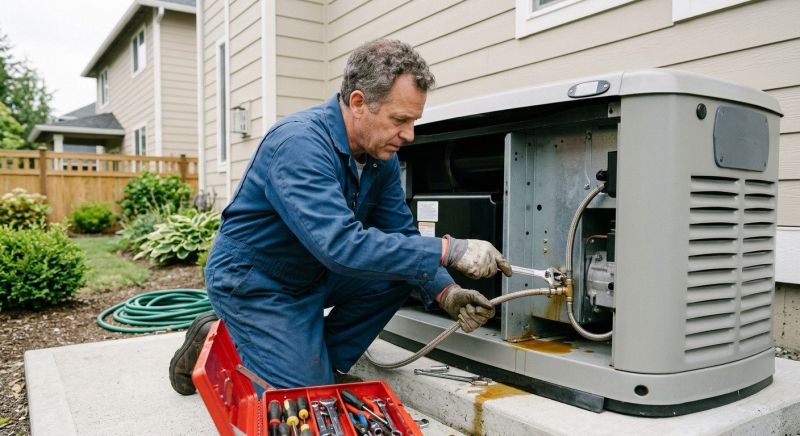
Generator Leak Repair in Utah County, UT
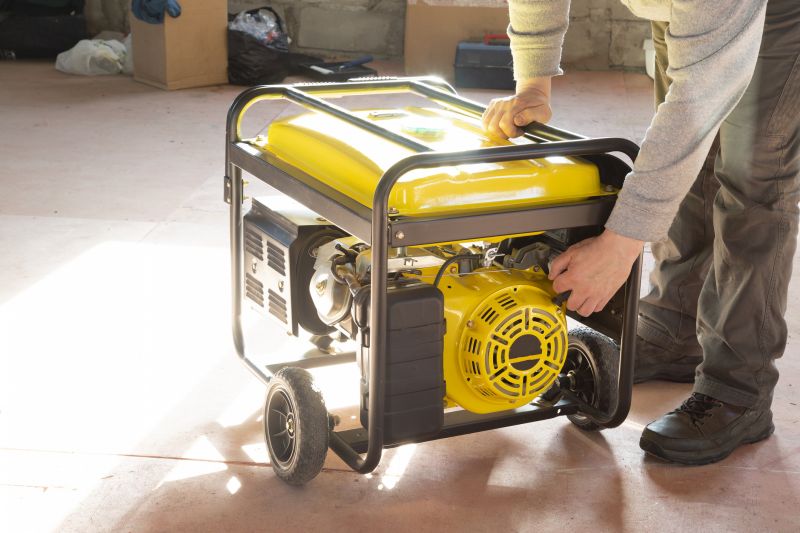
Generator leak repair services address issues related to leaks or drips originating from portable or standby generators. These services typically cover repairs for common leak sources such as fuel lines, oil pans, gaskets, seals, or connections. Property owners often seek assistance when they notice visible fluid leaks, unusual odors, or if the generator’s performance seems affected by a leak. Understanding the specific type of fluid leaking-whether fuel, oil, or coolant-and the location of the leak can help determine the scope of repair needed.
Before requesting generator leak repair, property owners should consider the age and model of their generator, as well as any recent maintenance or repairs performed. It’s helpful to identify when the leak started and whether it is persistent or intermittent. Clear information about the type of fluid, the symptoms observed, and the generator’s usage history can facilitate a more accurate assessment of the issue and ensure the appropriate repairs are carried out efficiently.
Many property owners in Utah County, UT look into Generator Leak Repair for repairs, replacements, upgrades, and appearance-related improvements.
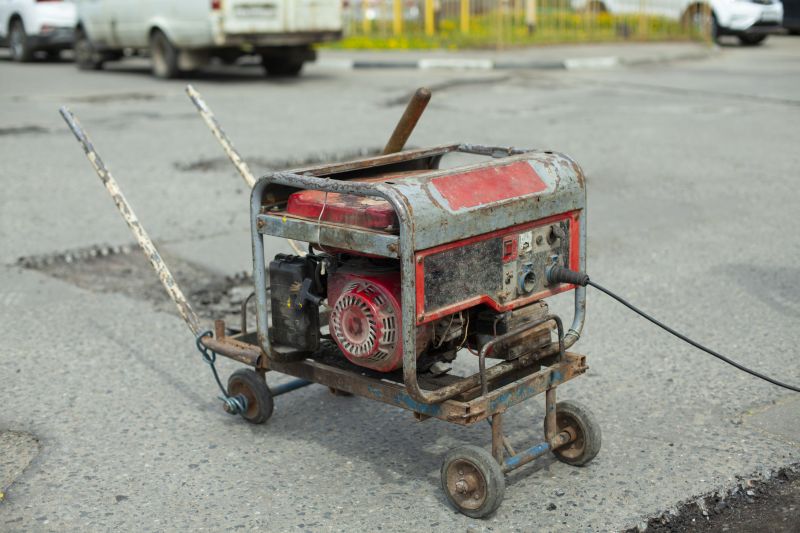
Identifying Generator Leaks
Signs of generator leaks include unusual odors, visible fluid spots, or decreased performance.
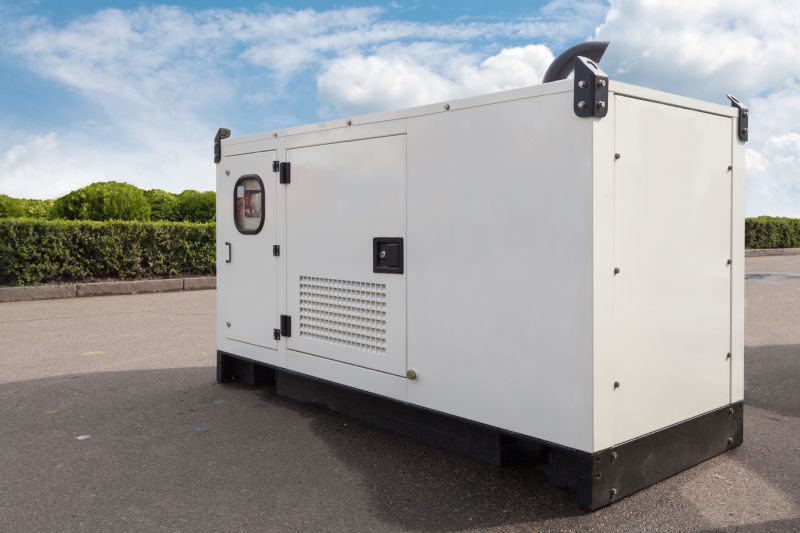
Common Causes Of Generator Leaks
Leaks may result from worn seals, cracked hoses, or aging components in utah county properties.
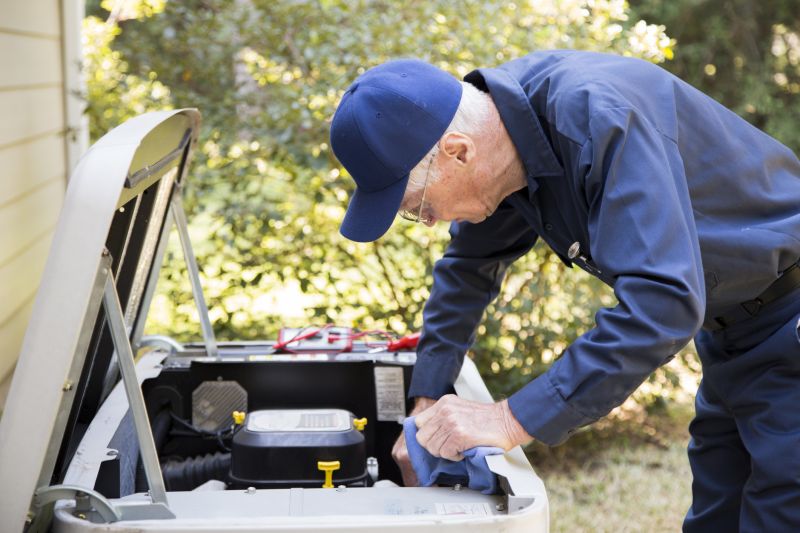
Preventive Maintenance Tips
Regular inspections and timely repairs can help prevent generator leaks and ensure reliable operation.
Generator Leak Repair in Utah County, UT
Generator leak repair services address issues related to leaks or drips originating from portable or standby generators. These services typically cover repairs for common leak sources such as fuel lines, oil pans, gaskets, seals, or connections. Property owners often seek assistance when they notice visible fluid leaks, unusual odors, or if the generator’s performance seems affected by a leak. Understanding the specific type of fluid leaking-whether fuel, oil, or coolant-and the location of the leak can help determine the scope of repair needed.
Before requesting generator leak repair, property owners should consider the age and model of their generator, as well as any recent maintenance or repairs performed. It’s helpful to identify when the leak started and whether it is persistent or intermittent. Clear information about the type of fluid, the symptoms observed, and the generator’s usage history can facilitate a more accurate assessment of the issue and ensure the appropriate repairs are carried out efficiently.
Many property owners in Utah County, UT look into Generator Leak Repair for repairs, replacements, upgrades, and appearance-related improvements.
Common Generator Leak Repair Jobs
Generator leak repair services address fuel, oil, or coolant leaks that can affect generator performance.
Leak repairs help prevent potential fire hazards and environmental contamination.
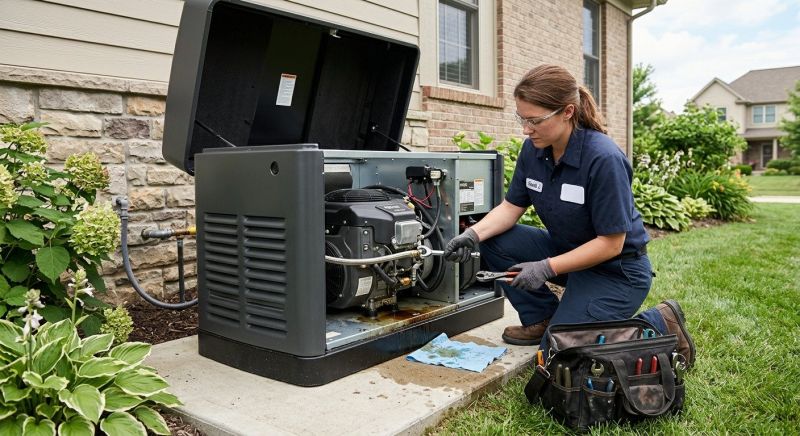
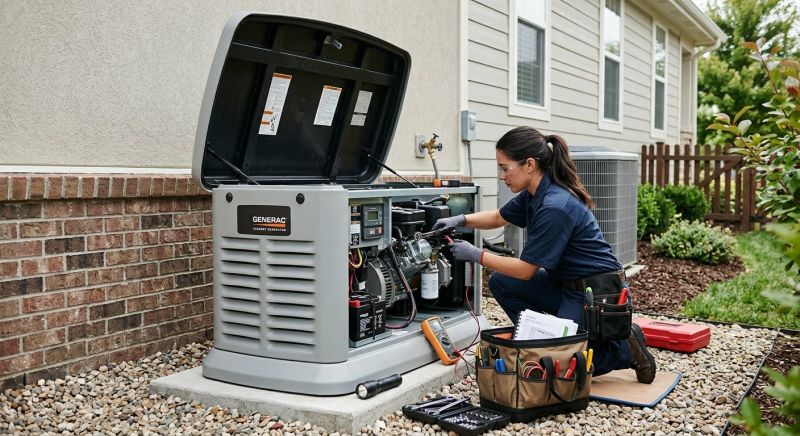
Services include identifying leak sources and replacing worn or damaged components.
Proper repairs ensure the generator operates safely and efficiently during power outages.
Regular leak detection can extend the lifespan of the generator and reduce repair costs.
Professional repair services provide peace of mind by maintaining generator reliability.
Generator Leak Repair Questions
What causes generator leaks? Generator leaks can result from worn seals, damaged hoses, or corrosion over time, leading to fluid escaping from the system.
How can I tell if my generator has a leak? Signs include visible fluid pooling, lingering odors, or decreased generator performance.
What types of fluids might leak from a generator? Common fluids include oil, coolant, and fuel, depending on the generator's design and condition.
Why is prompt leak repair important? Addressing leaks quickly helps prevent further damage, environmental issues, and ensures reliable operation.
Request Generator Leak Repair in Utah County, UT
Use the quote form on this page to share the basics of your project and request more information for the type of work you need.